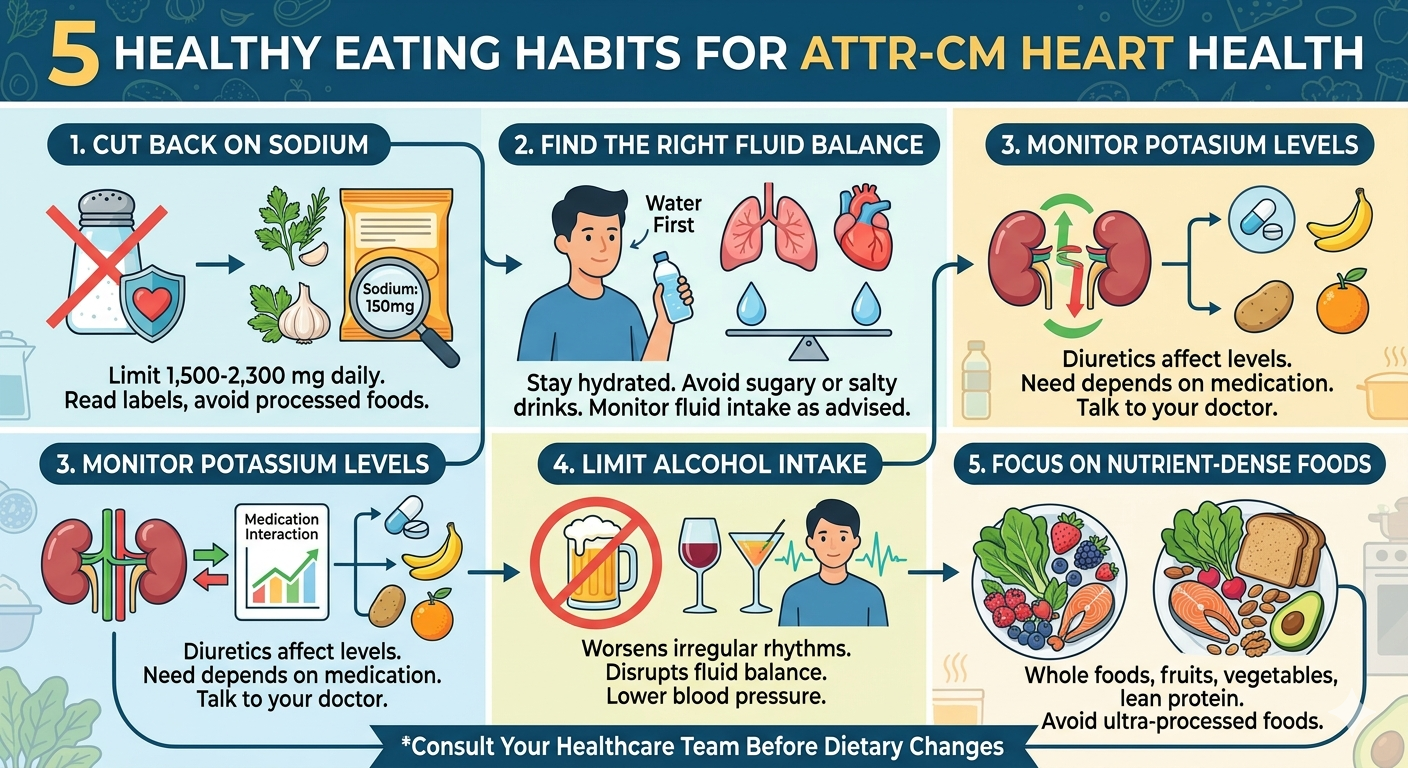
There isn’t a one-size-fits-all diet for people living with ATTR-CM, a condition that affects the heart muscle. Still, the foods you choose can play a meaningful role in how you feel day to day. Smart nutrition supports heart function, helps regulate fluid levels, and may ease common symptoms. Because individual needs can vary widely, it’s always important to consult your healthcare provider before making significant dietary changes.
1. Cut Back on Sodium
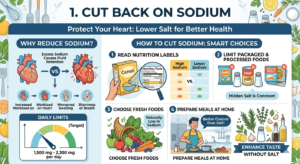
Salt can make the heart’s job harder, especially when it’s already under strain. Excess sodium causes the body to retain fluid, which may worsen swelling and shortness of breath. Many people with this condition—particularly those who also have heart failure—are advised to limit sodium intake to around 1,500 to 2,300 milligrams per day.
Reducing sodium starts with awareness. Packaged and processed foods are often loaded with hidden salt, so reading nutrition labels is key. Choosing fresh foods like fruits and vegetables, which are naturally low in sodium, can make a big difference. Preparing meals at home also gives you better control over how much salt is added. Instead of relying on salt for flavor, try herbs, spices, garlic, lemon juice, or vinegar to enhance taste.
2. Find the Right Fluid Balance
Staying hydrated is essential, but with ATTR-CM, too much fluid can be just as problematic as too little. Some individuals may need to limit their daily fluid intake, especially if heart function is significantly affected. Your doctor can recommend the right amount for your situation, which may fall within a moderate daily range.
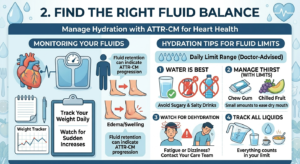
Water should be your primary source of hydration, as sugary or salty drinks can add unnecessary strain. If you’re limiting fluids and feel thirsty, small strategies—like chewing gum or eating chilled fruit—can help. It’s also important to watch for signs of dehydration, such as fatigue or dizziness, and report them to your care team.
3. Monitor Potassium Levels
Potassium is an essential mineral that helps regulate heart rhythm, but its balance can be tricky in this condition. Many people with ATTR-CM take diuretics to manage fluid buildup, and these medications can either increase or decrease potassium levels.
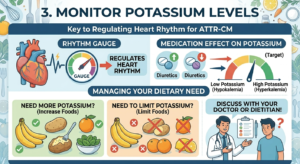
Because of this, your dietary needs may shift. Some individuals may need to eat more potassium-rich foods like bananas, potatoes, and oranges, while others may need to limit them. Understanding how your medication affects your body is key, so discussing this with your doctor or a dietitian can help you find the right balance.
4. Limit Alcohol Intake
Alcohol can interfere with heart health in several ways. It may worsen irregular heart rhythms, disrupt fluid balance, and lower blood pressure. For people with ATTR-CM, these effects can be especially concerning.
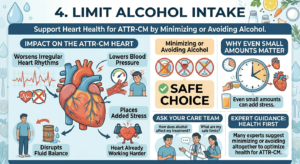
While there’s no strict universal rule, many experts suggest minimizing alcohol—or avoiding it altogether. Even small amounts can place added stress on a heart that is already working harder than normal.
5. Focus on Nutrient-Dense Foods
A balanced diet rich in whole, nutrient-dense foods can support overall health and may help manage symptoms like fatigue or shortness of breath. Aim to include a variety of fruits, vegetables, whole grains, lean proteins, and healthy fats in your meals. These foods provide essential nutrients without excess salt, sugar, or unhealthy fats.
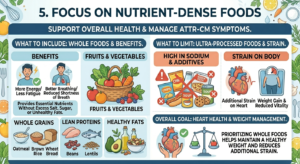
At the same time, try to limit ultra-processed foods, which are often high in sodium and additives. Prioritizing whole foods not only supports heart health but also helps maintain a healthy weight and reduces additional strain on the body.
The Bottom Line
Although there’s no specific diet for ATTR-CM, thoughtful eating habits can make a real difference. Managing sodium, fluids, and key nutrients—while focusing on wholesome foods and limiting alcohol—can help you feel better and support your heart over time.